
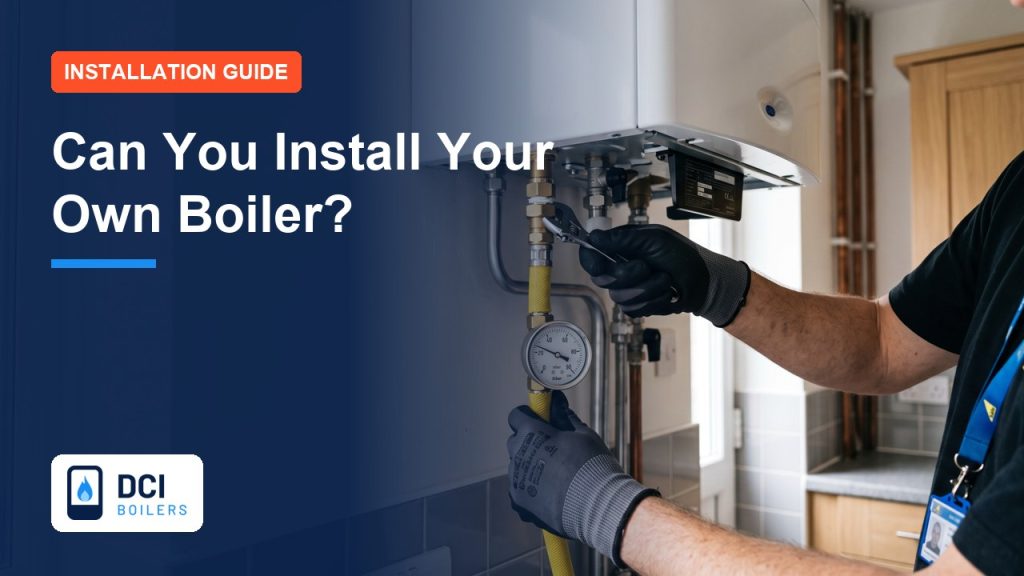
In the UK you cannot legally install your own gas boiler unless you are a Gas Safe registered engineer. The Gas Safety (Installation and Use) Regulations make it an offence for anyone who is not registered to carry out work on a gas appliance or its pipework, and that includes fitting, connecting, commissioning or removing a boiler in your own home. Oil boilers are not covered by the same law, but the work still has to comply with Building Regulations, and in practice that means using an OFTEC registered technician or paying the council to inspect it.
People ask this question for understandable reasons. Boilers are expensive, plenty of homeowners are handy, and the internet is full of videos that make a boiler swap look like a Saturday job. This guide explains where the legal line sits, what you are allowed to do yourself, what happens if a DIY installation goes wrong, and why the paperwork matters as much as the pipework.
What the law says about gas boilers
Regulation 3 of the Gas Safety (Installation and Use) Regulations 1998 states that no one may carry out work on a gas fitting unless they are competent, and for anyone doing it as a business or for reward that means being on the Gas Safe Register. The Health and Safety Executive’s position is clear: the regulations apply to work in your own home as well as work for others, because the danger from an unsafe installation, whether from a gas leak, an explosion or carbon monoxide, does not stop at your front door.
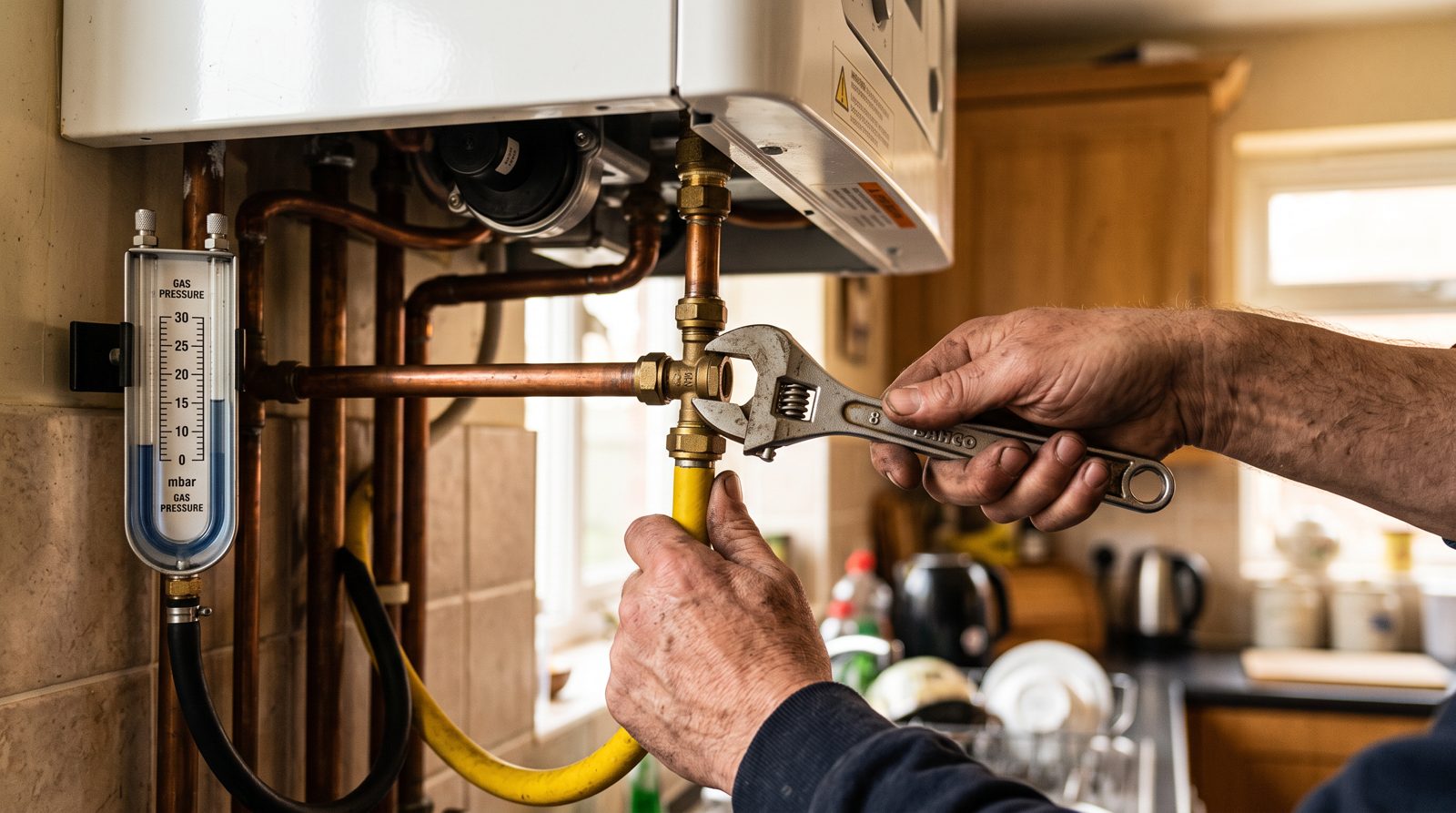
Work on a gas fitting includes:
- disconnecting or connecting the boiler to the gas supply
- altering, extending or replacing gas pipework
- fitting or altering the flue
- commissioning the boiler and checking combustion
In other words, every part of a boiler installation that makes it a gas job is covered. There is no loophole for “I only tightened the nut” or “the gas was already off”.
What the law says about oil boilers
Oil is different. There is no legal requirement to be registered to work on an oil boiler in the way there is for gas. However, installing or replacing an oil boiler is controlled work under the Building Regulations, which cover the flue, the fuel supply, fire safety, electrical connections and efficiency. That work has to be either carried out by someone on a competent person scheme, such as OFTEC, who can self-certify it, or notified to your local authority building control department, who will charge a fee and send an inspector.
In practice, most homeowners who try to fit their own oil boiler discover that the building control route costs money, takes time and still ends with an inspector who expects the job to meet the manufacturer’s instructions and the relevant British Standards. That is why almost every oil boiler in Cornwall and Devon is fitted by an OFTEC registered technician.
What a homeowner can legally do
There is a fair amount you can do yourself around a boiler installation, as long as you stay away from the gas, the flue and the commissioning.
- Clear the area, move furniture and take down shelving or cupboards.
- Remove flooring or boxing-in so pipework can be reached.
- Bleed and balance radiators, and fit or replace radiator valves once the system is drained.
- Run new central heating pipework to radiators, provided it is not the gas supply and an engineer connects and commissions the system.
- Fit a room thermostat or programmer if you are competent with low-voltage wiring and the manufacturer’s instructions allow it.
Anything involving the gas pipe, the flue, the condensate connection to the boiler, the boiler’s own electrical supply or the final commissioning belongs to the registered engineer.
What happens if you install a gas boiler yourself
The consequences are not theoretical.
- Prosecution. Illegal gas work is a criminal offence. The HSE prosecutes, and courts have handed down fines and, in serious cases, prison sentences.
- No warranty. Every manufacturer requires the boiler to be installed and commissioned by a registered engineer and the Benchmark checklist completed. A DIY installation voids the warranty from day one, which on a modern boiler can mean losing up to 12 years of cover.
- No compliance certificate. A registered installer notifies the job so a Building Regulations certificate is issued. Without one, selling the house becomes awkward and a buyer’s solicitor may demand indemnity insurance or an inspection.
- Insurance. If a DIY installation causes a fire, a leak or carbon monoxide poisoning, a home insurer is entitled to refuse the claim.
- Safety. Carbon monoxide from a badly commissioned boiler is invisible and odourless. A flue that is a few degrees off, or a combustion setting left at factory default, can be enough.
How to check an engineer is genuinely registered
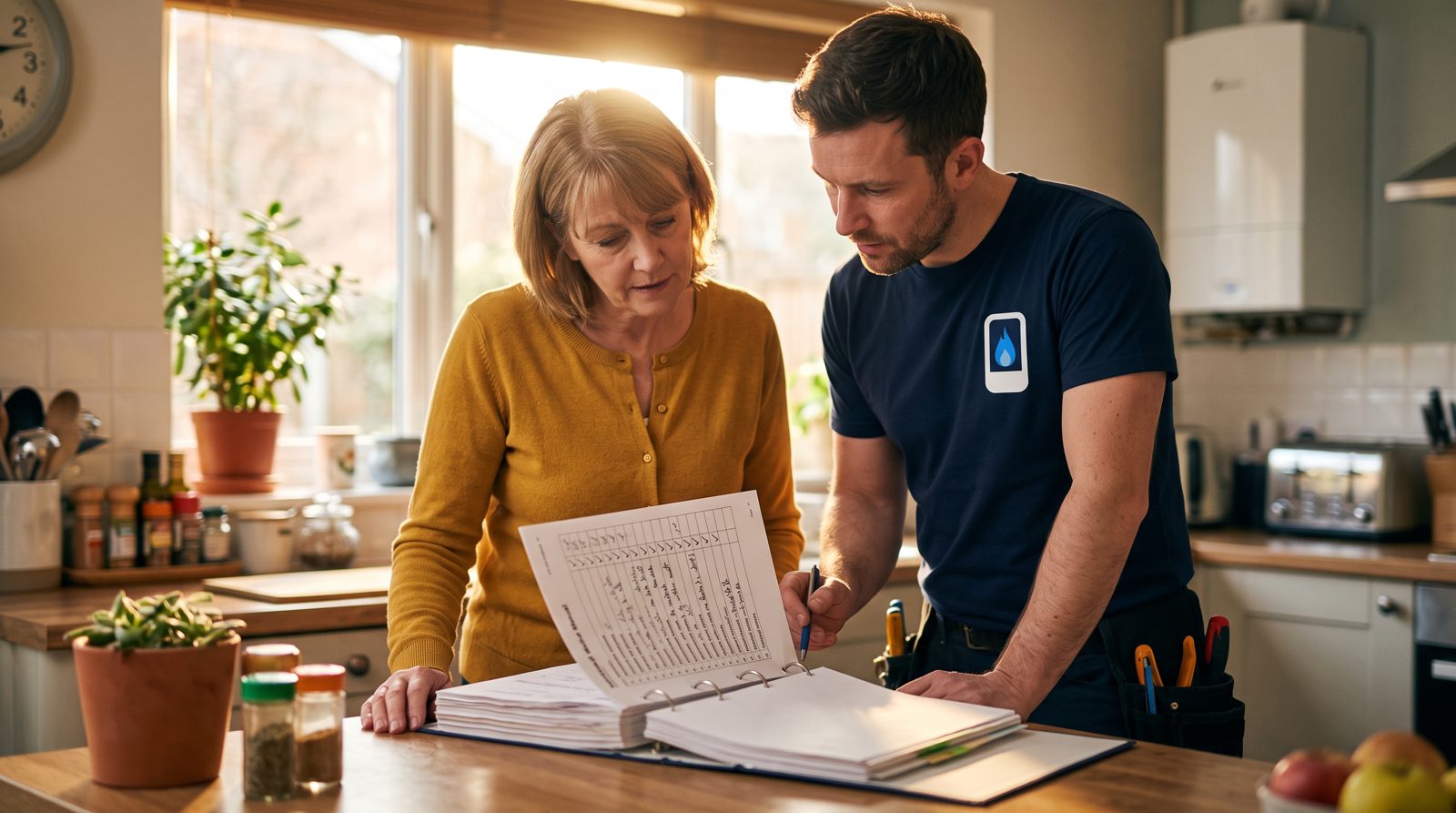
Every Gas Safe engineer carries an ID card with a photo, a licence number and a list of the work they are qualified to do on the back. Check the back as well as the front, because someone qualified for cookers is not necessarily qualified for boilers. You can also check the licence number on the Gas Safe Register website. OFTEC technicians carry a similar card and can be checked on the OFTEC website. Our guide on how to choose a boiler installer covers the other questions worth asking before you book.
How DCI Boilers can help
DCI Boilers is Gas Safe and OFTEC registered, so we can legally install, commission and certify both gas and oil boilers anywhere in Cornwall and Devon. You get a fixed price before we start, the Benchmark checklist and Building Regulations certificate afterwards, and a manufacturer warranty of up to 12 years that is actually valid. Whether you need a gas boiler replacement or an oil boiler replacement, we would rather you had it done once and done properly.
Need help now? Call DCI Boilers on 07888 862 603 or get a free quote.
Frequently asked questions
Can I install a boiler myself if I get a Gas Safe engineer to check it afterwards?
No. A registered engineer cannot legally sign off gas work they did not carry out, and the connection and commissioning are themselves gas work that must be done by them.
Can a plumber who is not Gas Safe registered fit a boiler?
Not a gas boiler. Being a plumber is not the same as being Gas Safe registered. Ask to see the card and check the categories on the back.
Can I fit my own oil boiler?
There is no registration law for oil, but the work is controlled under Building Regulations and must be certified by an OFTEC registered technician or inspected and approved by building control.
What can I do to reduce the cost of a professional installation?
Clear access, remove boxing-in, take up flooring where pipework runs and decide your radiator and control choices before the survey. The engineer’s time on site is then spent on the boiler, not the preparation.