
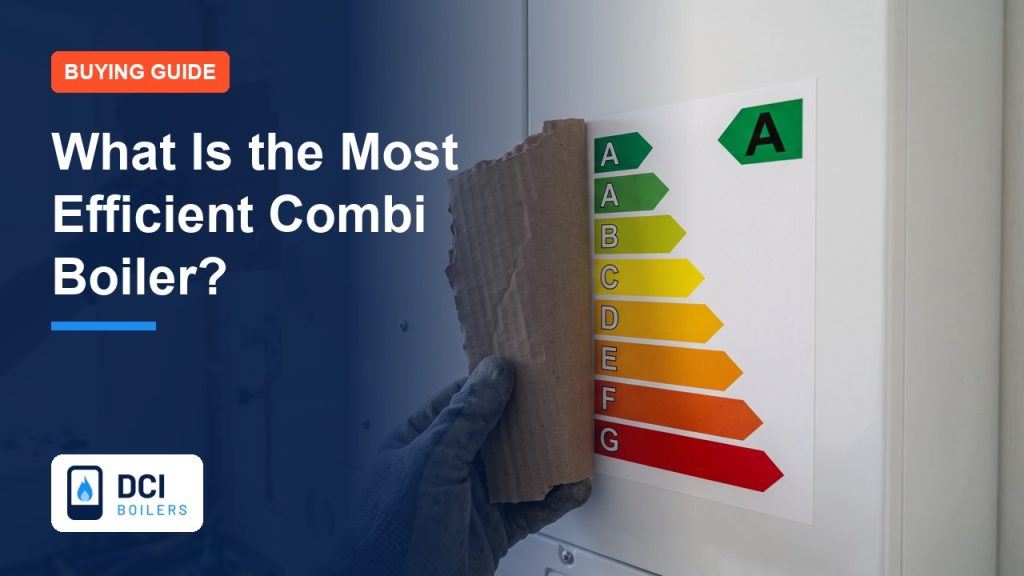
The most efficient combi boilers on the UK market are all modern condensing models rated A for efficiency, typically achieving 92 to 94 per cent under the ErP scheme, with Viessmann, Vaillant and Worcester Bosch usually leading the tables and Ideal, Baxi and Glow-worm close behind. The gap between them is a percentage point or two. The far larger differences in real fuel use come from how the boiler is sized, how it is installed, what controls it has and how you run it. An A-rated boiler run at the wrong settings can use more fuel than a slightly less efficient one run well.
This guide explains how efficiency is measured, which features genuinely reduce fuel use, which brands score best and how to make sure the efficiency on the label turns into a saving on the bill.
How combi boiler efficiency is rated
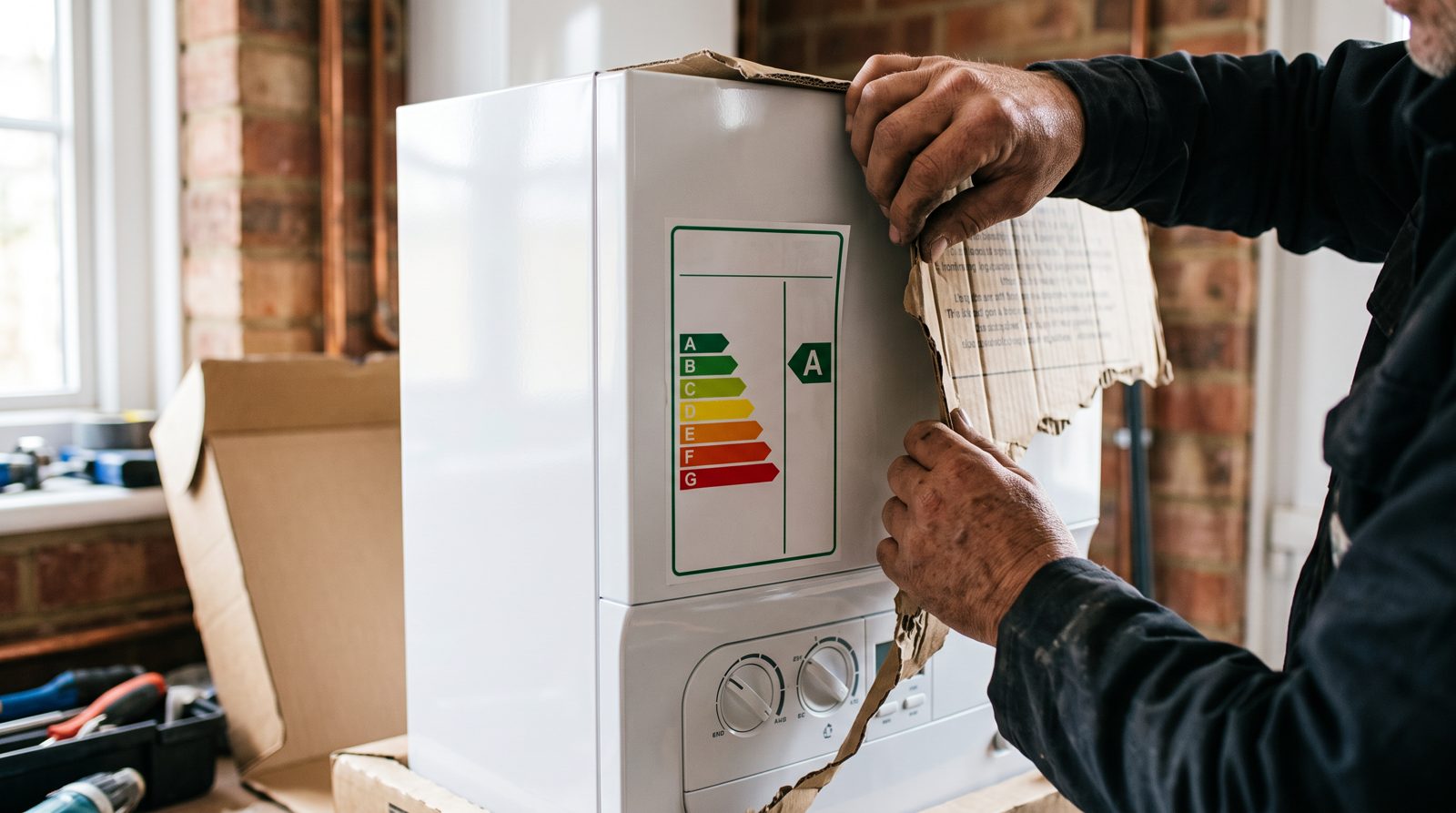
Every boiler sold in the UK carries an ErP energy label from A+++ to G, and a seasonal efficiency figure. Almost every new gas combi is A-rated with a seasonal efficiency in the low nineties. The figure represents how much of the energy in the fuel becomes useful heat over a typical heating season, under standard test conditions. It is a fair way to compare boilers, but it assumes the boiler is installed and controlled correctly.
Why condensing matters
A condensing boiler recovers heat from the water vapour in its flue gases, which non-condensing boilers throw away. That is where the jump from the 70s and 80s to the 90s in efficiency comes from. But a condensing boiler only condenses when the water returning from the radiators is cool enough, below about 55 degrees. Run it with the flow temperature set to maximum and it barely condenses at all. That single setting is the most common reason an efficient boiler is not saving what it should.
The features that actually cut fuel use
- Wide modulation range. A boiler that can turn down to a small fraction of its maximum output runs steadily at low demand instead of switching on and off. Premium models modulate down to around a tenth of full output.
- Weather compensation. An outdoor sensor lets the boiler lower its flow temperature on mild days, which keeps it condensing. Standard on some ranges, optional on most.
- Load compensation. A smart or compatible thermostat that tells the boiler how far the room is from the target, so it can modulate rather than blast.
- Correct sizing. An oversized combi cycles constantly. Output should be matched to the hot water demand and the heating load, not simply the biggest available. Our guide on what size boiler you need explains this.
- Stainless steel heat exchanger. Holds its efficiency for longer than aluminium in hard water areas.
The brands that lead on efficiency
Viessmann’s Vitodens range regularly tops efficiency comparisons, with stainless steel heat exchangers and wide modulation throughout. Vaillant’s ecoTEC range and Worcester Bosch’s Greenstar range are close behind and offer weather compensation across most models. Ideal, Baxi and Glow-worm all offer A-rated combis with efficiencies within a point or two of the leaders. In practice, any of them properly set up will perform far better than any of them badly set up.
Turning the label into a saving
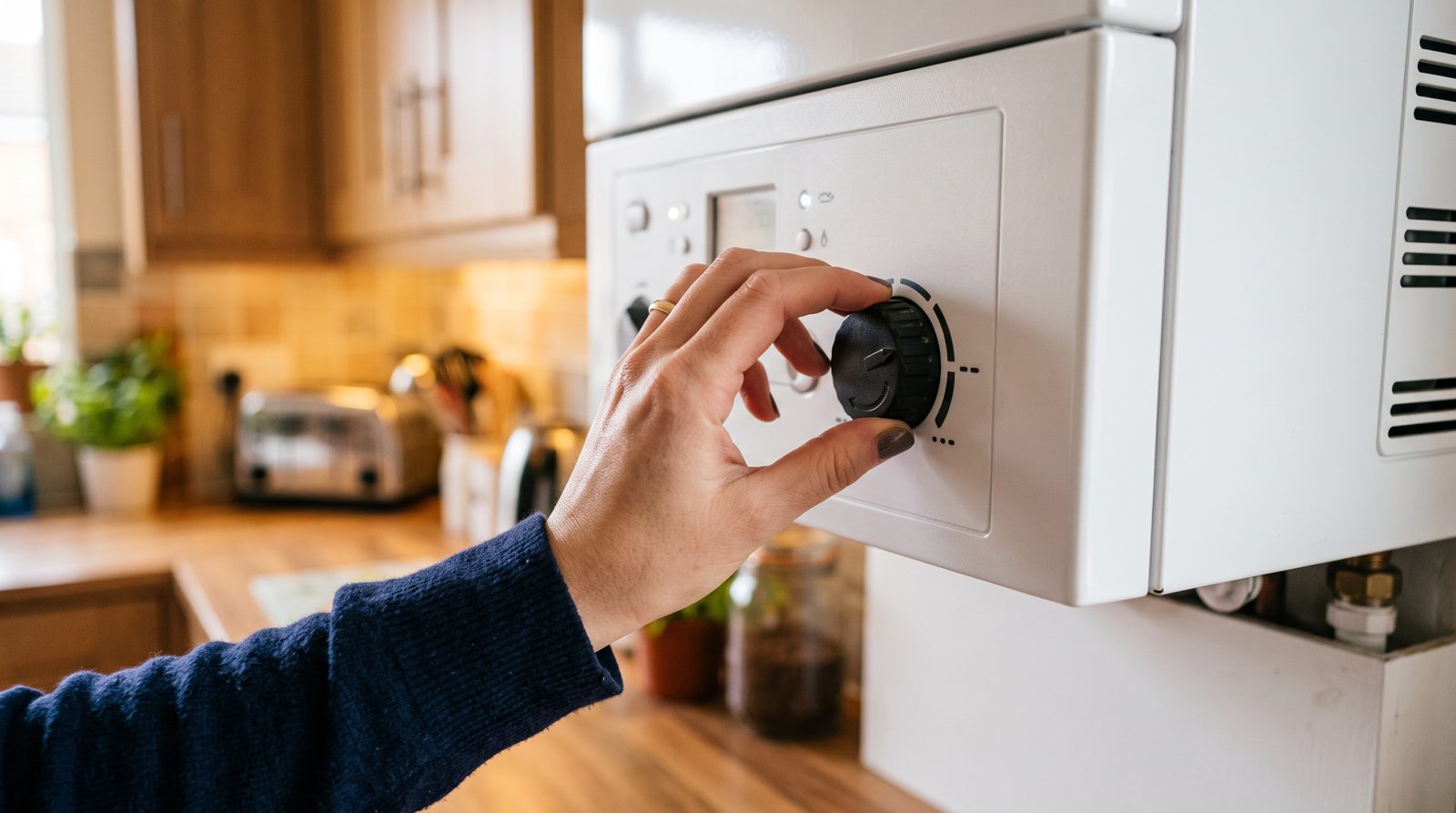
- Have the flow temperature set to around 60 to 65 degrees for heating rather than the factory maximum, so the boiler condenses.
- Fit a modulating or weather-compensating control rather than a simple on-off thermostat.
- Have the radiators balanced so the whole house heats evenly at the lower flow temperature.
- Keep the system clean with a filter and inhibitor, because sludge insulates the heat exchanger.
- Service the boiler annually so the burner and heat exchanger stay clean.
Our guide to smart thermostats with a combi boiler covers which controls work with which boilers.
Gas versus oil and electric
Modern oil combis reach similar efficiencies to gas, in the low nineties, and the same rules about condensing and flow temperature apply. Electric combis are technically close to 100 per cent efficient at the point of use, but electricity costs considerably more per unit than gas or oil, so running costs are usually higher. Our guide to electric boilers versus gas boilers sets out the trade-offs.
How DCI Boilers can help
DCI Boilers fits A-rated combi boilers from the leading manufacturers across Cornwall and Devon, sizes them properly, sets them up to condense and fits the controls that let them. Every installation is flushed, filtered and commissioned by Gas Safe and OFTEC registered engineers at a fixed price, with manufacturer warranties of up to 12 years. Read about our gas boiler replacement service, or ask us to check the settings on your existing boiler during a boiler servicing visit.
Need help now? Call DCI Boilers on 07888 862 603 or get a free quote.
Frequently asked questions
What efficiency rating should a new combi boiler have?
A-rated, with a seasonal efficiency in the low nineties. Almost every new gas combi meets this.
Does a more efficient boiler really save money?
Replacing a non-condensing boiler with a condensing one saves a large share of fuel. Between two modern A-rated boilers, the difference is small unless one is installed and controlled better.
What flow temperature should a combi be set to?
For heating, around 60 to 65 degrees keeps the boiler condensing in most homes. Hot water can stay higher. Your engineer can set both.
Is weather compensation worth it?
Yes in most homes. It is a small extra that keeps the boiler running at the lowest useful temperature all season.