
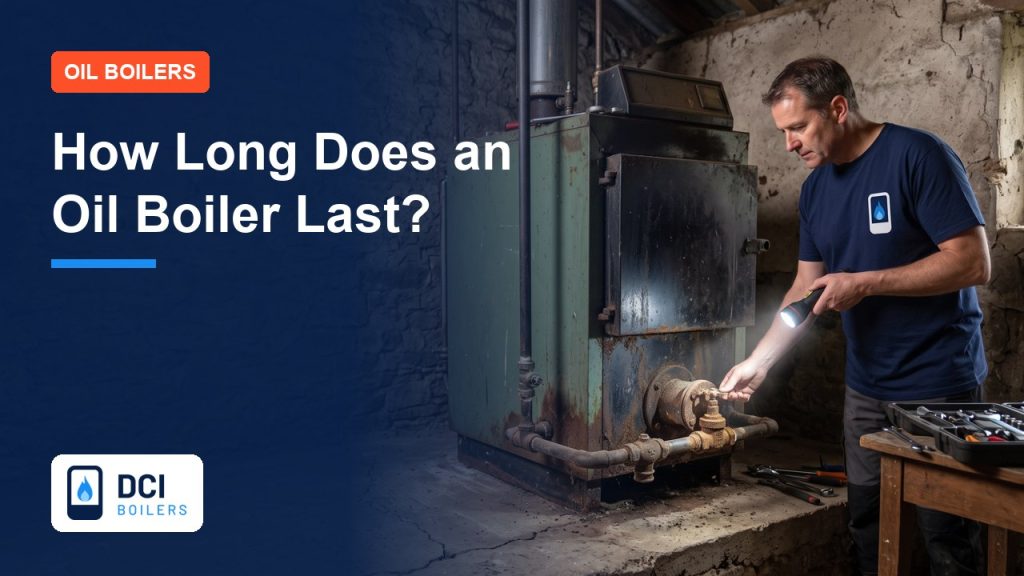
An oil boiler typically lasts 15 to 20 years when it is serviced every year and fed clean fuel, and a well-built cast iron model in a rural home can run for 25 or more. Modern condensing oil boilers are expected to last around 15 years. The number that matters more than the average is the condition of your own boiler: the state of the heat exchanger, the burner, the controls and the tank decide whether it has a few years left or is about to become expensive.
This guide explains what typically ends an oil boiler’s life, what extends it, the signs that yours is nearing the end, and how to plan a replacement on your own timetable rather than in a January emergency.
What wears out first
- The burner. Nozzles, electrodes, photocells and pumps are consumable parts, replaced or cleaned at every service. A burner can be rebuilt several times over a boiler’s life.
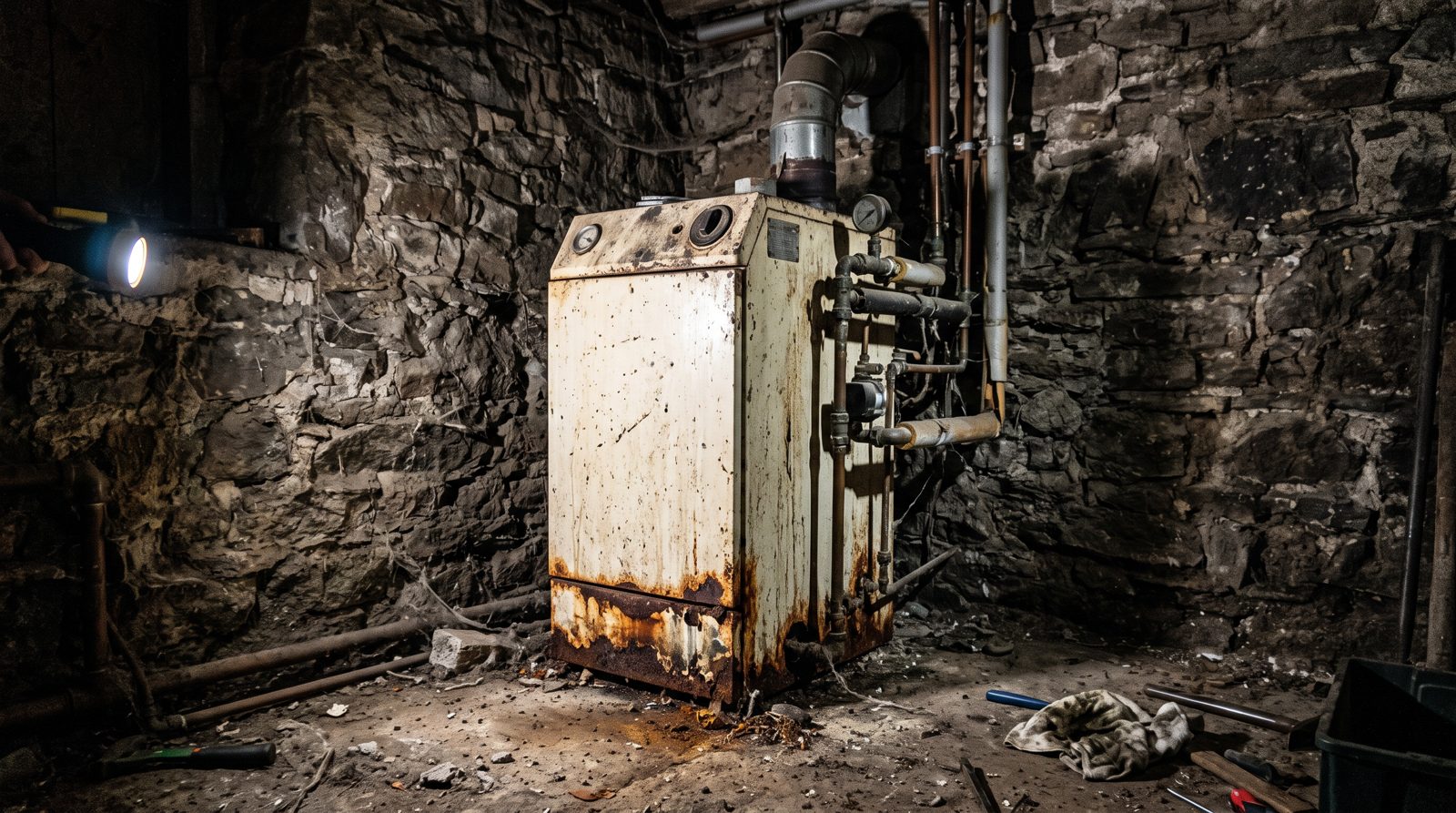
- The heat exchanger. Corrosion from condensation inside, and from a damp position outside, eventually perforates the steel or cast iron. This is what usually ends a boiler, because a heat exchanger is rarely worth replacing.
- The baffles. Steel baffles burn through over years of soot and heat. They are replaceable, but a boiler that needs baffles, a burner rebuild and a control box in the same year is telling you something.
- Controls and the control box. Electronics age, and on older boilers the replacement control box can cost a fair share of a new boiler.
- The casing. External boilers rust from the base up if water pools around them.
What shortens an oil boiler’s life
- Missed services. A sooted heat exchanger runs hot and inefficient, a worn nozzle sprays badly and the boiler works harder for less heat.
- Dirty fuel. Water and sludge from an old tank clog filters and nozzles and corrode the burner.
- Sludge in the heating system. Restricts flow, overheats the heat exchanger and causes kettling.
- Damp positions. A boiler in a wet outbuilding or a poorly drained external base corrodes from outside.
- Short cycling. An oversized boiler that fires for a minute and stops wears its burner and control box out.
- Frost. An external boiler without frost protection, or one whose power is switched off in winter, can freeze and crack.
What extends it
- an annual service with a new nozzle, clean baffles and a combustion test
- a clean tank, checked for water and sludge, with a filter changed every year
- a magnetic filter and inhibitor on the heating system
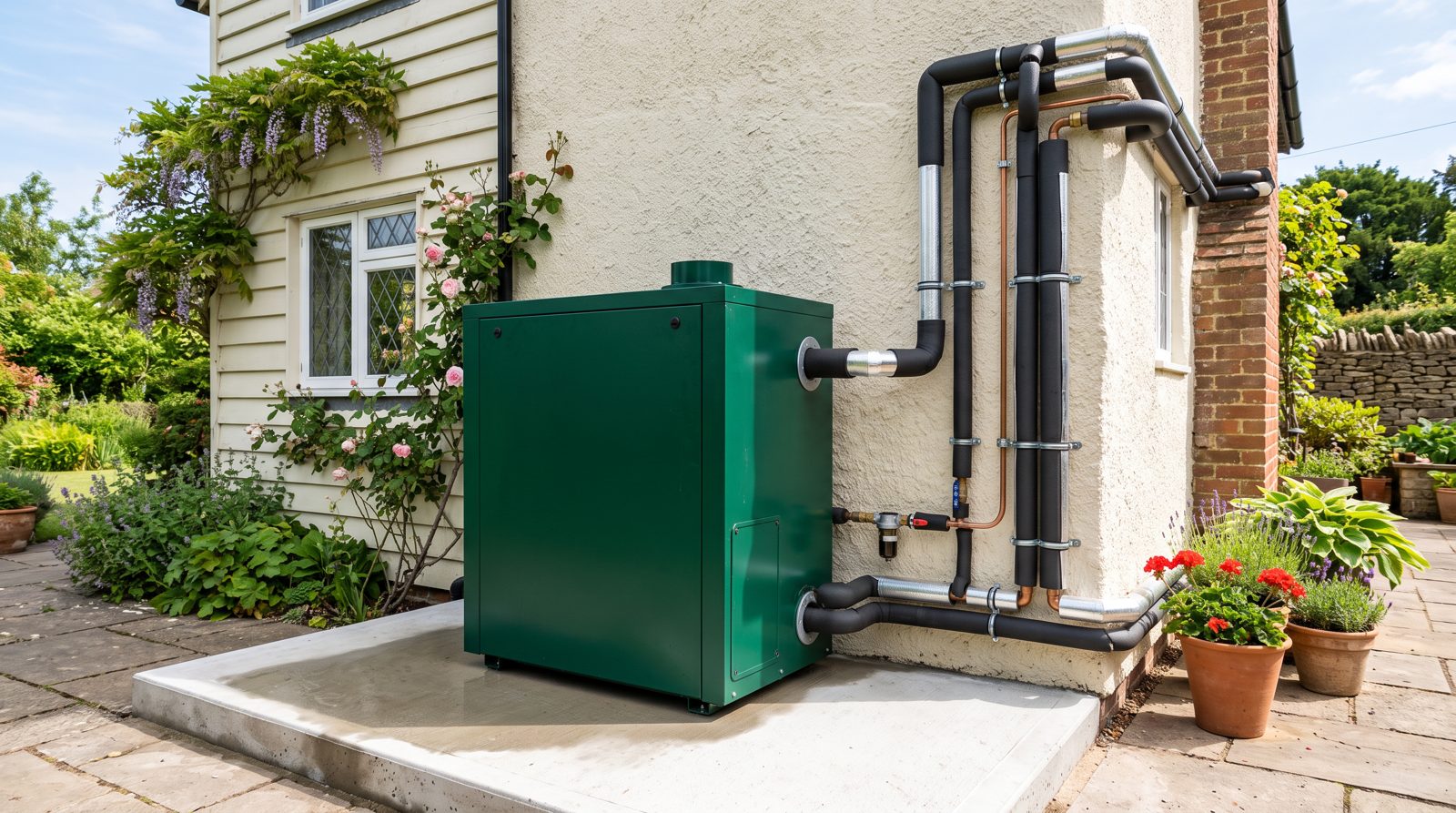
- a dry, well-ventilated position and a sound base
- controls that let the boiler run steadily rather than in short bursts
Our guide to how often an oil boiler should be serviced explains what the annual visit does for the boiler’s life.
Signs an oil boiler is nearing the end
- soot or smoke from the flue, or a smell of oil when running
- frequent lockouts despite servicing
- rust or wet patches under the boiler, or a heat exchanger leak
- parts becoming hard to source
- a sharp rise in oil consumption for the same heat
- an engineer’s advice that the next repair is not worth it
Our guide to an oil boiler smoking, sooting or smelling of oil explains the first sign in detail.
Planning the replacement
Once the boiler is past fifteen years and showing any of the signs above, get a survey and a fixed quote while it still works. That lets you decide between an internal and external boiler, a system or combi arrangement, and whether the tank needs replacing at the same time, in the calm of summer rather than the cold of winter. A modern condensing oil boiler will also use noticeably less oil for the same heat, which offsets part of the cost from the first tank. Our guide to oil boiler installation explains what the job involves.
How DCI Boilers can help
DCI Boilers services and replaces oil boilers across Cornwall and Devon with OFTEC registered engineers who will give you an honest view of how long yours has left. When the time comes, our oil boiler replacement service fits modern condensing boilers at a fixed price with manufacturer warranties of up to 12 years. Until then, a boiler servicing visit each year is the best way to keep it going.
Need help now? Call DCI Boilers on 07888 862 603 or get a free quote.
Frequently asked questions
Do oil boilers last longer than gas boilers?
Often, yes. Cast iron oil boilers are simple and robust, and many outlast the typical gas boiler, though modern condensing models of both are expected to last around 15 years.
Is it worth repairing a 20 year old oil boiler?
For a burner part or a control, sometimes. For a heat exchanger or a control box on a non-condensing boiler, replacement is usually the better use of the money.
Can an oil boiler heat exchanger be replaced?
Technically on some models, but the cost is close to a new boiler and the rest of the boiler is the same age.
How long does an external oil boiler last?
About the same as an internal one if it stands on a dry base with frost protection. Damp bases and pooled water shorten it.